
Gonzales Spousal Support Lawyer
Trusted Spousal Support Attorney in Gonzales, LA
Spousal support, sometimes called alimony, refers to money that a spouse or former spouse may be ordered to pay the other after divorce. If you are preparing for divorce proceedings, it can be incredibly helpful to consult with a qualified Gonzales spousal support lawyer. Whether you want to seek spousal support yourself or prepare for your spouse’s request for financial support, an experienced family law attorney can guide you through the proceedings.
About Christopher J. Bridges, Attorney at Law
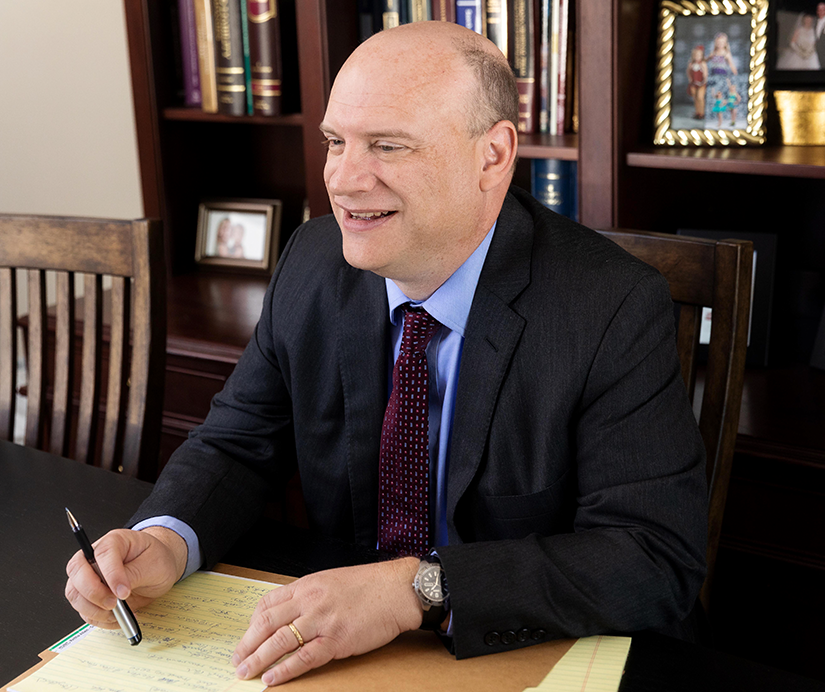
Christopher J. Bridges, Attorney at Law, is a dedicated family law attorney with more than 28 years of legal experience. Our firm, based in Gonzales, serves individuals and families across the Eastern and Middle Districts of Louisiana, in state courts and U.S. District Courts. Mr. Bridges believes in working with clients every step of the way so you feel informed and receive insightful advice.
Understanding Spousal Support Laws in LA
In the state of Louisiana, spousal support may be awarded during a divorce case, but it is not mandatory and is instead given on a case-by-case basis. Alimony is intended to give support to a spouse in financial need when the other spouse has the ability to pay.
To determine whether spousal support is appropriate for a case, the court considers all relevant factors. These case factors can include:
- Each spouse’s current income
- Each person’s present and future earning capacity
- The ability of the seeking spouse to become self-sufficient, including the need to receive education or vocational training
- The property belonging to each spouse, including their share of marital property as determined in court
- The length of the marriage
- The age and health of each individual
- If there are children, which parent they live with most of the time
- The standard of living established during the marriage
- Whether there was fault in the divorce
- How taxes would impact each party
- Whether there was a history
According to the CDC, the average marriage rate across the country is 6.1 per 1,000 people, while the average divorce rate is about 2.4 per 1,000 people. In 2024, the average rate of divorce in Louisiana was 0.8 per 1,000 people, which is much lower than the national average.
What Disqualifies You From Alimony in Louisiana?
In Louisiana, there are some factors or circumstances that can disqualify you from receiving alimony. One of the main ways an individual may be disqualified from receiving spousal support is if they are found to be at fault for the deterioration of the marriage, including through adultery, abuse, abandonment, cruel treatment, or a felony conviction.
Alimony may also not be awarded if the seeking spouse has sufficient income or assets, remarries or cohabitates with a partner, or if a prenuptial or postnuptial agreement waives the right to spousal support.
Why You Should Hire a Spousal Support Lawyer
There are several reasons why it’s a good idea to hire a spousal support lawyer. As your legal counsel and representation, your attorney can help you navigate Louisiana family and divorce laws, which are often complex. A capable family lawyer understands how to gather records, build an argument that establishes the standard of living during the marriage, and advocate for fair support payments.


Call Christopher J. Bridges, Attorney at Law 225-644-7250
Where Are Alimony Cases Handled in Louisiana?
Generally, alimony proceedings are handled at the same venue as other divorce proceedings. For example, a spousal support case in Gonzales, LA typically goes through the Ascension Parish Family Court of the 23rd Judicial District Court system. The address of this legal venue is 607 E Worthey St, Gonzales, LA 70737. Details such as addresses or contact information can vary from case to case, so be sure to confirm specifics with your spousal support attorney.
Contact A Spousal Support Attorney In Gonzales, Louisiana Today
FAQs
How Is Spousal Support Calculated in Louisiana?
In Louisiana, spousal support is not calculated as it may be in other states. Instead of using a fixed mathematical formula, the amount of alimony that is to be paid is at the judge’s discretion. When determining spousal support, the family law judge takes into account the degree of financial need of the requesting spouse as well as the other spouse’s ability to pay alimony.
Can Alimony Be Changed After Divorce in LA?
In Louisiana, alimony can be modified after divorce. Final periodic alimony, or post-divorce spousal support, may be changed or terminated if there is evidence of a material change in circumstances.
Acceptable reasons for ending or modifying alimony include a spouse contracting a serious illness, losing a job, remarrying, or experiencing a large change in income. Minor or temporary changes do not warrant a modification. Either party may file a petition asking the court to increase, decrease, or stop support payments.
What Are the Different Types of Spousal Support?
In Louisiana, there are two primary forms of spousal support: interim spousal support and final periodic support. The purpose of interim spousal support, or temporary alimony, is to provide aid during the divorce to the spouse who earns less income or doesn’t currently work.
Final periodic support is awarded if the spouse proves ongoing financial need and is paid after the divorce is finalized. Whether your case involves temporary or final alimony, an attorney can guide you through the proceedings.
How Long Does It Take to Determine Alimony?
In Louisiana, determining temporary alimony may take anywhere between a few weeks and several months, while the court may take multiple months to a year or longer to decide on a final support order. Long-term spousal support is determined as part of the overall divorce judgement.
If the spouses agree on terms, alimony may be decided much quicker compared to a highly contested case. The timeline can also be influenced by court scheduling and the amount of evidence to review.
Speak to a Gonzales Spousal Support Attorney
When you are looking for a capable and skilled professional to assist with your spousal support matters, look no further than Christopher J. Bridges, Attorney at Law. Reach out to our team to schedule an initial consultation with Mr. Bridges, where we can discuss your situation and answer any questions you may have.
Schedule A Consultation
Fields Marked With An “*” Are Required
"*" indicates required fields

© 2026 Copyright Christopher J. Bridges, Attorney at Law. All Rights Reserved.
Digital Marketing By 
*Images are obtained under license from Canva and other third-party stock image providers, with attribution included where required.